
✨ From Building to Selling: GTM Lessons in the Age of AI + Demo Day Recap
Actionable strategies from top founders, plus our Demo Day recap

At EntreConnect, we’ve had the privilege of learning from some of the sharpest minds in AI, SaaS, and venture capital across our recent events. Together, they revealed what it truly takes to win customers in a world where building has never been easier—but scaling has never been tougher.
Here are the go-to-market lessons that matter most right now.
🤖 Beyond “AI-Powered”: Why Outcomes Win
The old SaaS playbook—seat-based pricing, cold outbound, and a catchy “AI-powered” tagline—just doesn’t work anymore. Buyers are too savvy, the market is too crowded.
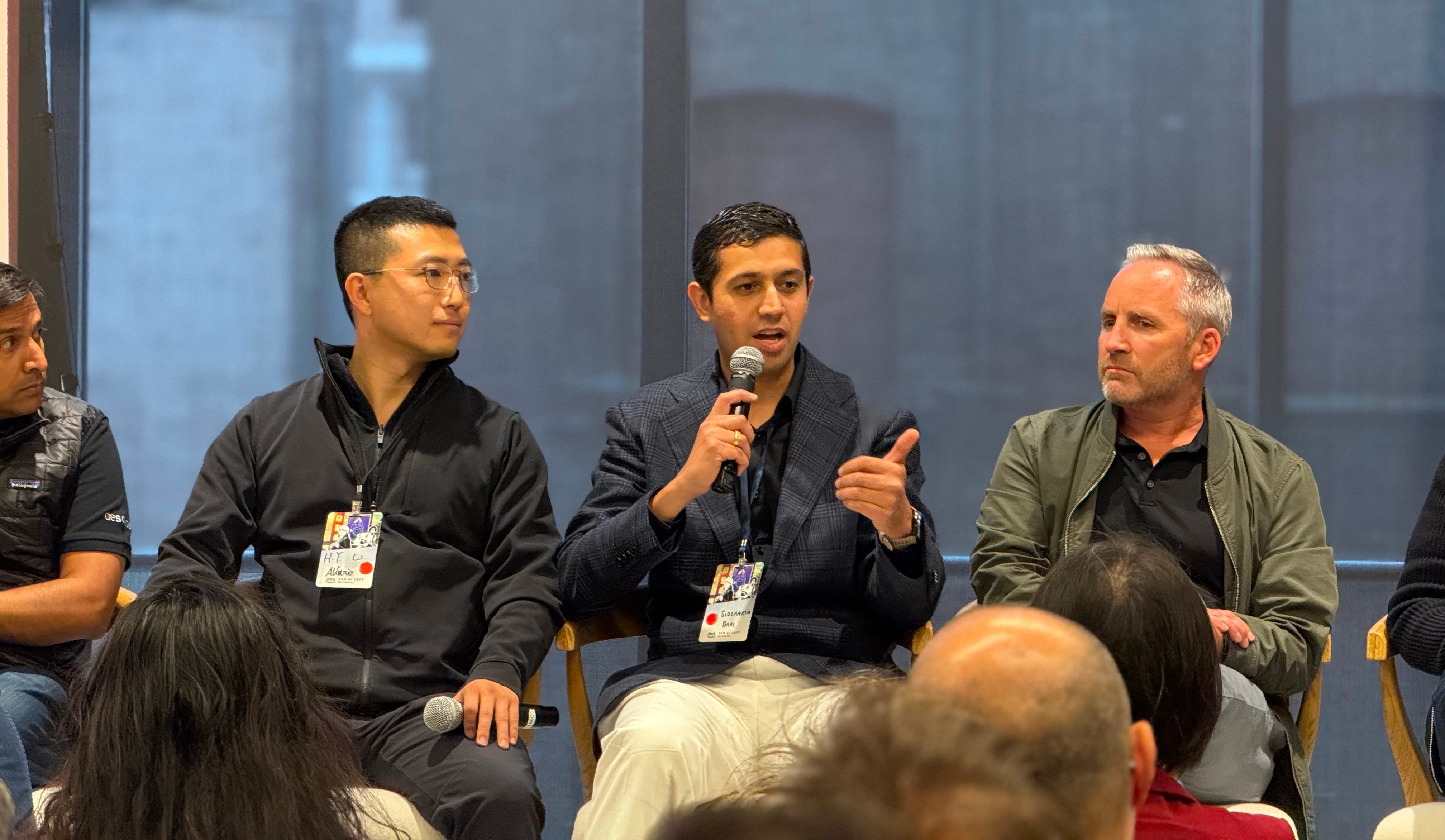
As Siddharth Bhai of Databricks put it: “You’re not selling AI—you’re selling a business outcome.” The AI is the “how,” not the “why.” Customers don’t care about your model; they care about how you’ll save them time, make them money, or cut their costs.
Muddu Sudhakar, CEO of Aisera, drove home the same point: “Investors no longer back seat-based pricing; outcome-based pricing is the standard.” If your model isn’t anchored in clear ROI, you’ll struggle to win both customers and capital.
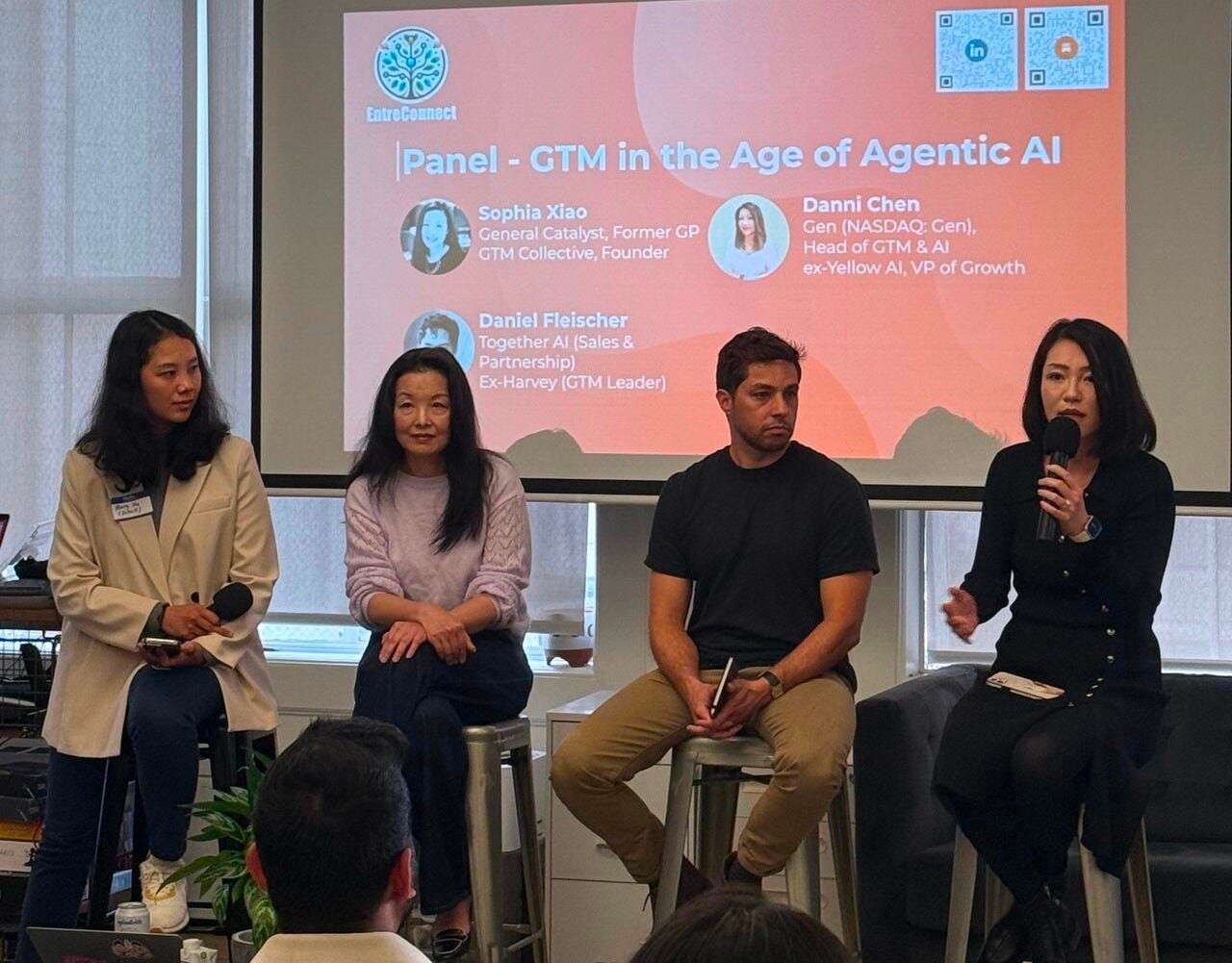
And it’s not just pricing—it’s positioning. Sophia Xiao, Founder of GTM Collective and former GP at General Catalyst, put it bluntly: “First-time founders focus on products, second-time founders focus on market. The bar of building is lower now. GTM matters earlier.”
The lesson: hype alone backfires. Customers aren’t shopping for the newest model; they’re shopping for measurable impact on their KPIs. If your pitch doesn’t tie directly to outcomes, you’ll sound like everyone else.
💰 GTM Storytelling: From Vision to ROI
Storytelling remains a founder’s sharpest GTM weapon—but the story itself has changed. Vague promises of “unlocking efficiency” or “redefining workflows” won’t close deals anymore. Buyers want proof, and they want it in P&L language.
Daniel Fleischer at Together AI doesn’t just say, “We run inference faster.” He frames it in CFO-speak: “We’ll save you $50–100K every month by better saturating H100s.”
Danni Chen, Head of GTM & AI at Gen, echoed the same mindset: “Prospects want measurable results and precisely what problem we solve for their bottom line.”
For founders, this shift is everything. Your narrative must still inspire—but it must also convert inspiration into hard numbers. The winning story isn’t “We’re changing the world with AI.” It’s: “We’ll cut your inference costs by 40% and shorten your time-to-market by two weeks.”
The real magic happens when you can fuse vision and ROI into a single, seamless arc.
🏷️ Pricing Strategy: From Seats to Outcomes
In the AI era, pricing isn’t just a math exercise—it’s a trust exercise. The strongest GTM playbooks don’t simply charge for usage; they align incentives so founders and customers win together.
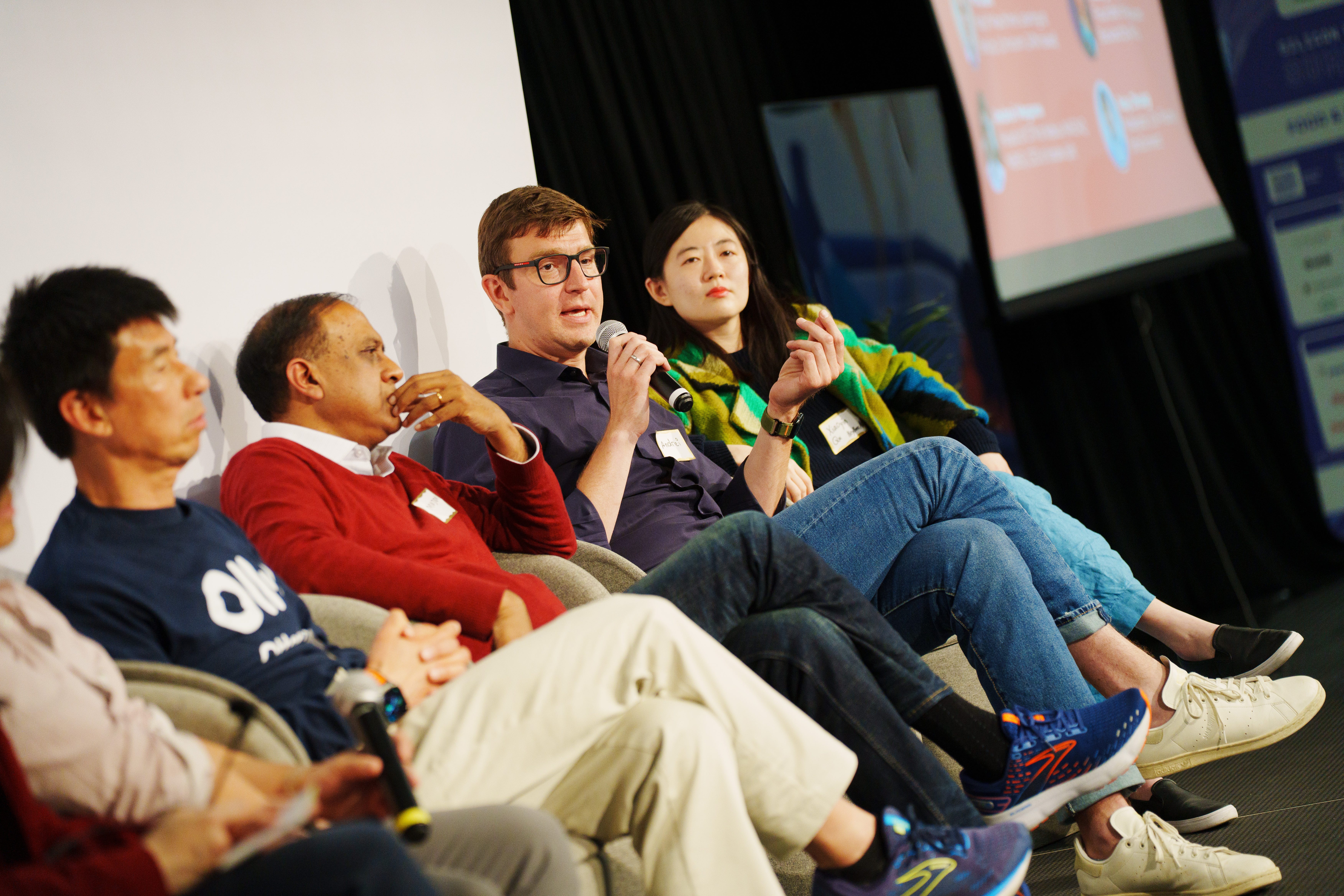
Sam Liang, CEO of Otter.ai, explained how they scaled by building habits first: “Otter scaled by giving away free minutes, creating habits before monetizing based on actual usage.” That freemium wedge created stickiness before a single dollar changed hands.
Others are pushing further, linking pricing to outcomes. HeyBoss AI tied revenue directly to customer results instead of tokens. Aisera’s Muddu Sudhakar reinforced the shift: “Investors no longer back seat-based pricing; outcome-based pricing is the standard.”
Some founders are even putting skin in the game. Gen tested money-back guarantees if ROI targets weren’t met. Nebius rethought infrastructure pricing by tying costs to responsiveness rather than raw compute.
The takeaway: customers want proof you’ll stand behind your value. When you anchor pricing to ROI, you’re not just naming a number—you’re signaling partnership. That alignment builds trust and loyalty faster than any discount ever could.
📢 GTM Channels: From Noise to Precision
Spray-and-pray outreach is over. In today’s crowded market, the winners go narrow, deep, and authentic.
Danni Chen, Head of GTM at Gen, shared how her team shifted from high-volume outreach to account-based marketing: “The most success we’ve had is ABM… each rep drills down on 20 ideal customers. With a vertical product, concentrate on your top 50–100 accounts.” Instead of chasing everyone, they doubled down on the right few.
Sophia Xiao, Founder of GTM Collective, reminded us that partnerships—even pre-MVP—can provide validation, critical data, and distribution when you need them most. And sometimes virality can do the heavy lifting. Kay Zhu’s GenSpark hit $36M ARR in just 45 days without a GTM team—fueled almost entirely by LinkedIn buzz and word-of-mouth.
The lesson? Your channel isn’t your email list—it’s the ecosystem your customers already live in. Show up early, add value, and let trust compound. In today’s world, community can rival paid ads—and often beat them.
💼 Sales-Led vs. Product-Led: The Hybrid Future
For years, founders debated whether sales-led or product-led growth was “the right” strategy. In reality, the AI era rewards those who blend both.
Kay Zhu, Cofounder of GenSpark, shared how they hit $36M ARR in just 45 days—without a GTM team. Pure virality, social buzz, and product pull. That’s the power of product-led growth in consumer and SMB markets, where viral loops and freemium can take you far. Otter.ai followed a similar path, scaling by turning freemium usage into habit before upselling.
But in enterprise markets, PLG alone won’t cut it. As Danni Chen of Gen put it: “The most success we’ve had is ABM… each rep drills down on 20 ideal customers. With a vertical product, concentrate on your top 50–100 accounts.” Sudhakar echoed the same: “Don’t waste time with customers who won’t pay; focus on serious buyers with budget and urgency.”
For founders, the playbook is clear:
SMB/Consumer AI → lean into product-led, viral loops, and freemium.
Enterprise AI → lean into sales-led, account-based marketing, and heavy qualification (charging for POCs to filter serious buyers).
The most resilient GTM strategies combine the pull of PLG with the precision of SLG. Start by leading sales yourself—every conversation sharpens your pitch and uncovers objections analytics can’t. Then let your product pull customers in with frictionless value. Great founders know when to lean into each—and when to blend them.
🏰 The New GTM Moat: Trust, Speed & Embedded Data
In a world where any startup can spin up an AI demo, defensibility no longer comes from tech alone. The real moats are built around three things:
Speed. Iterate faster than your competitors. As Muddu Sudhakar of Aisera put it: “In the post-ChatGPT world, the strongest moat is speed—moving and iterating faster than competitors.” Velocity becomes your IP.
Retention. Build stickiness that locks users in. Sam Liang of Otter.ai showed how accumulated meeting histories became a retention moat—once users had dozens of transcripts stored, switching became nearly impossible.
Trust. Compliance, governance, and security open enterprise doors. As Tatyana Mamut of Wayfound AI reminded us: “The tech doesn’t matter if the enterprise doesn’t trust you to sit inside their stack.”
The message for founders is clear: your moat is forged in the field, not in the lab. Every extra week of iteration, every SOC 2 badge, every customer dataset embedded in your workflow—that’s your defensibility. The future of GTM belongs to those who can combine speed, stickiness, and trust—not just shiny tech.
🛍️ How to Land Your Customer: Proof, Precision & Persistence
Closing customers in the AI era isn’t about volume—it’s about filters, proof, and persistence. The best founders don’t chase every lead; they qualify ruthlessly and prove value fast.
Daniel Fleischer of Together AI shared how they charge for POCs but waive the fee if customers complete a detailed doc: “When they complete it, bring stakeholders, and execute the contract, conversion rates are extremely high.” It’s a brilliant filter—separating tire-kickers from serious buyers.
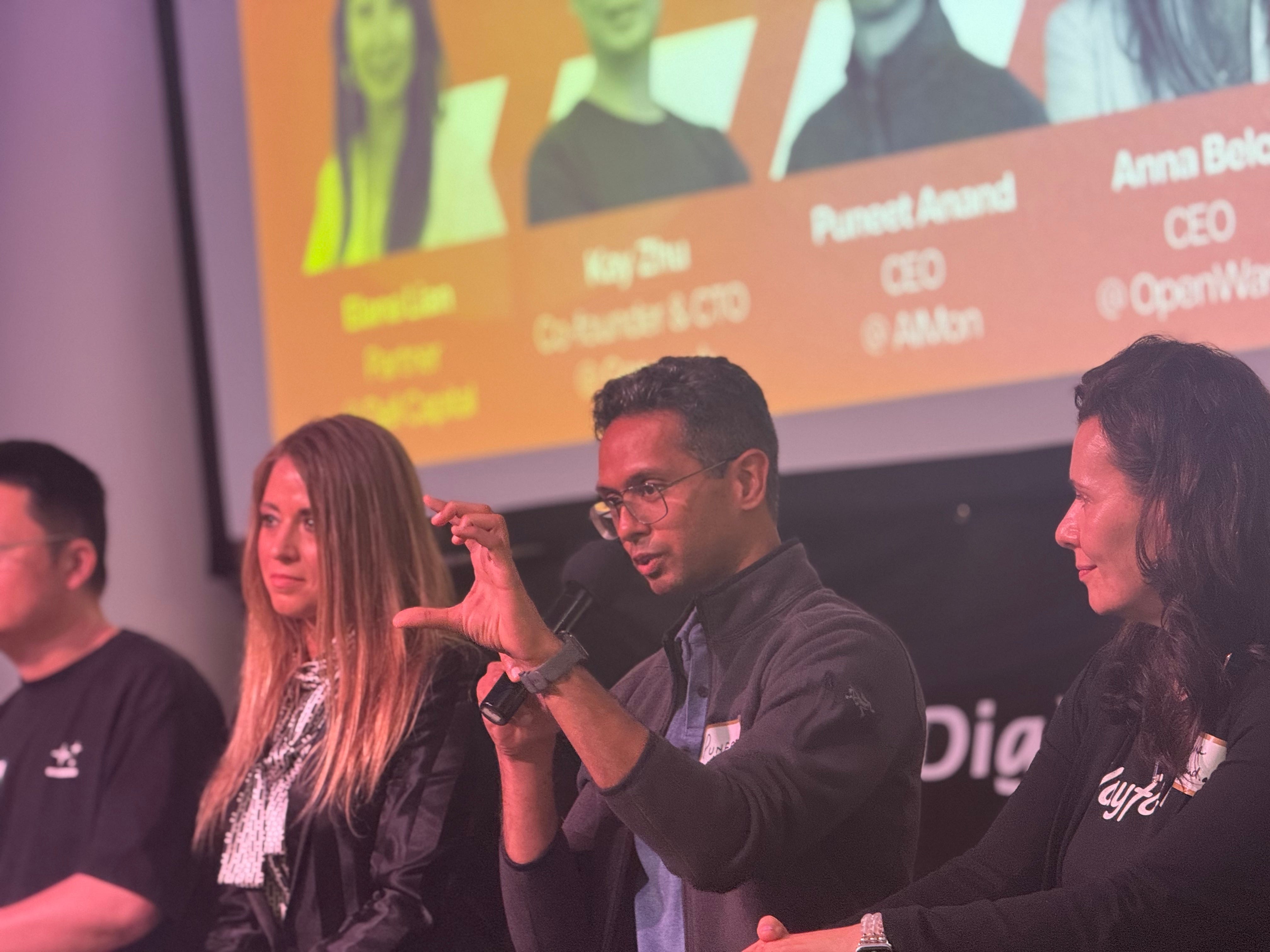
Anna Belova of OpenWay AI highlighted the importance of both audience and workflows. On finding traction: “It’s magic when you know exactly where your audience lives,” she said, referencing SMB communities. On adoption: “Agents must own full customer journeys, not just tasks.”
Trust often comes before the pitch. Tatyana Mamut of Wayfound AI pursued SOC 2 compliance before signing her first customer—a GTM move that accelerated enterprise adoption. And Howie Xu of Gen reminded us that iteration always beats perfection: “Demo → production → iteration is the only reliable path forward.”
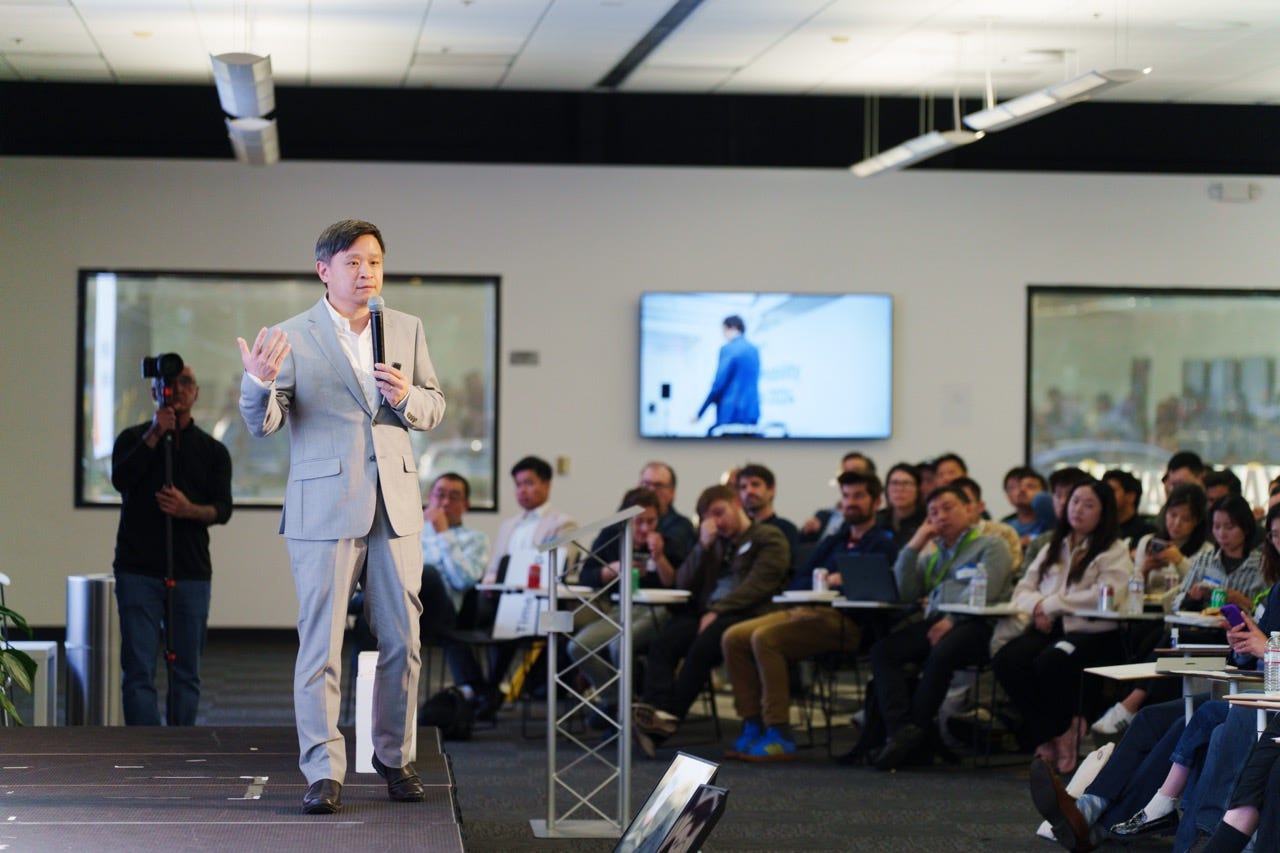
For founders, the rhythm is clear:
Meet customers where they already are.
Filter for seriousness with hard gates.
Prove value quickly through POCs.
Build trust with compliance and credibility.
Solve end-to-end workflows, not just isolated tasks.
Acquisition is only the beginning. Stickiness—and loyalty—come from embedded data, integrations, and the emotional pull of solving an entire problem, not just one feature. Landing customers today isn’t about “the big pitch.” It’s about running a repeatable system of experiments until you nail both trust and outcomes.
Closing: The Founder’s Edge
AI may be lowering the cost of building, but it’s raising the bar for going to market. Features can be copied overnight; trust, speed, and execution cannot.
For founders, the challenge—and the opportunity—is to treat GTM not as an afterthought but as a craft. Storytelling, pricing, channels, moats, and customer acquisition aren’t separate tactics; they’re the pillars of survival.
In the AI era, the real question isn’t “Can you build?” It’s “Can you sell?” Founders who master that craft won’t just win customers—they’ll define the next generation of iconic companies.
🚀 Demo Day Recap: Founders, Future, and Big Ideas
Another unforgettable Demo Day with EntreConnect x WeShine!
Last month, we brought together founders, investors, and builders at OneSpace for an afternoon of bold pitches, candid investor questions, and authentic community connections.
Eight startups took the stage—spanning energy efficiency, climate tech, emotional AI, sales automation, wellness, and more.
Our signature 10-minute pitch + 5-minute Q&A format gave every founder the space to showcase not just what they’re building, but why it matters. The result? Big ideas sharpened by real-time feedback and conversations that carried well beyond the stage.
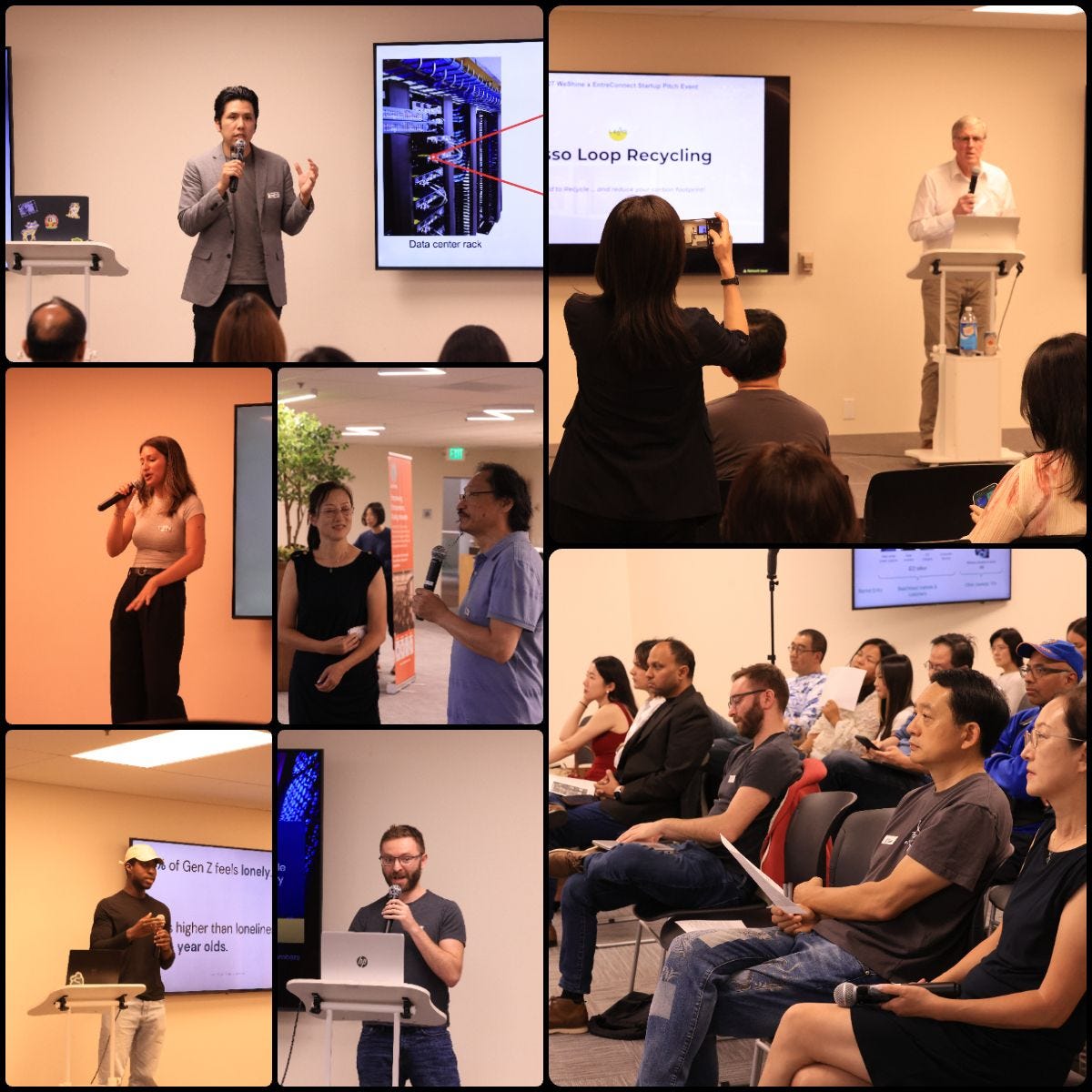
🌟 Founder Spotlights
🔋 PeraWatt Energy (Lucy Wu & Edson Perez )
Commercializing Sandia Lab’s magnetic material with 10x efficiency for AI data centers. Outdated magnetics waste billions in energy; PeraWatt aims to fix it. Investors questioned defensibility and China risk—Lucy pointed to exclusive partnerships, new IP, and early NDAs.
😊 Amotions AI (Pianpian Xu Guthrie)
An emotional intelligence assistant that boosts sales by guiding reps mid-call with empathetic prompts. Live demo showed real-time sentiment detection and adaptive coaching. Already piloting with startups and multinationals, with a growing revenue pipeline.
♻️ Lasso Loop Recycling (Aldous Hicks)
A home recycling appliance that shreds, washes, and sorts materials, paying users directly. Cuts contamination and emissions (equal to 10–15 trees per home). Investors pressed on adoption; even a Fremont City Council member offered to continue talks.
🎯 Pipeline AI (Mayank Galgat)
Automating end-to-end sales prospecting with GenAI workflows integrated into CRMs. Provides deep research, lead scoring, and personalized outreach. 150+ enterprise users and a paid pilot. Investors grilled on differentiation; Mayank framed it as the AI sales standardization layer.
🧠 PerforatedAI (Rorry Brenner) – Winner 🏆
Our Demo Day champion reimagines the fundamentals of neural networks using insights from modern neuroscience. By modeling dendrites- the nonlinear computing powerhouses of biological neurons- PerforatedAI achieves models that are 10x smaller, 38x cheaper to run, and sometimes more accurate. In tests, a compressed BERT model processed tokens as fast as an 11-GPU setup, but on a single CPU. The judges and audience were captivated, not only by the bold science but also by the clarity of vision: to be the “Intel Inside” of AI by making dendritic networks an industry standard.
🧘 Clarity (Krystal Galdamez)
Wellness is often fragmented; Clarity is building a holistic platform designed for “real humans,” not just quantified-self enthusiasts. Their focus is on accessible, actionable wellness support- bridging physical and mental health. The pitch emphasized usability and inclusivity in a space where too many apps over-promise and under-deliver.
🤝 thirdspace (Cedric Osagie)
Loneliness is a modern epidemic. Thirdspace uses real-time AI connections to foster authentic human interaction, aiming to provide a digital antidote to isolation. Cedric’s pitch positioned thirdspace not as a social media alternative, but as a tool for genuine, synchronous companionship.
💳 Mage
As AI agents proliferate, payments infrastructure lags behind. Mage is building financial rails tailored to the AI agent economy, where agents will transact on behalf of humans and organizations. Their vision: seamless, secure, agent-to-agent payments.
A huge thank you to everyone who joined us—you’re the reason these moments of innovation and connection keep growing stronger. We can’t wait to see you at the next one. 🚀
🗓️ Upcoming Events
Sep 21, San Jose, CA | Startup Pitch Salon & Investor Feedback + Audience Vote. Calling for startup founders! Join us with monthly startup pitch event with WeShine, bringing together top early-stage founders, seasoned investors, and engaged audiences for an event of insight, feedback, and community.
Oct 08, San Francisco, CA | Tech Week Side Event - Scaling Innovation in AI Infrastructure & Applications. Join us for a Tech Week featured side event with AI trailblazers — featuring unicorn founders, pioneering researchers, and top executives from Connectly.ai (Series B+), Strava, Snap, Higgsfield AI, Memories.ai, and more.